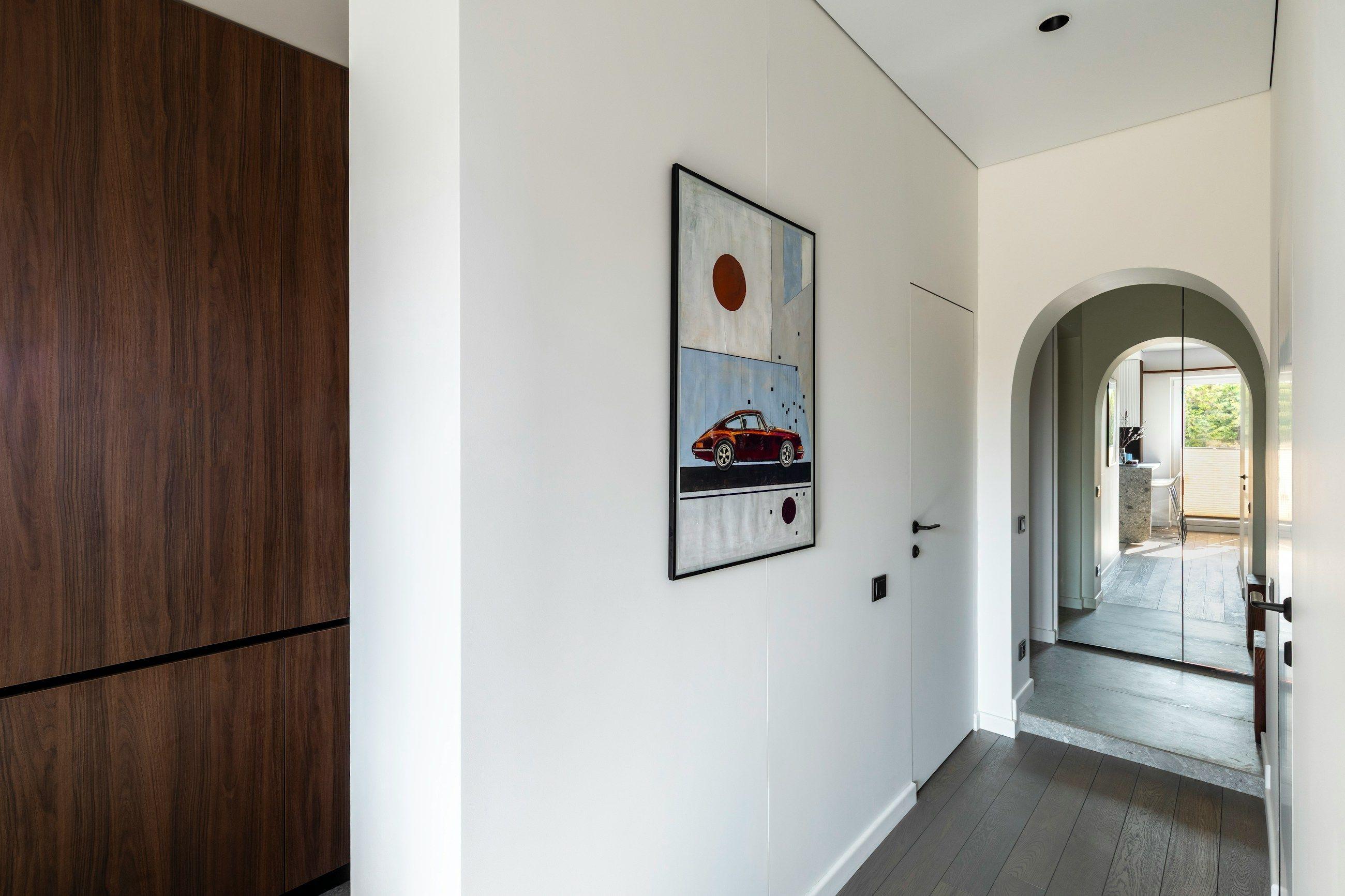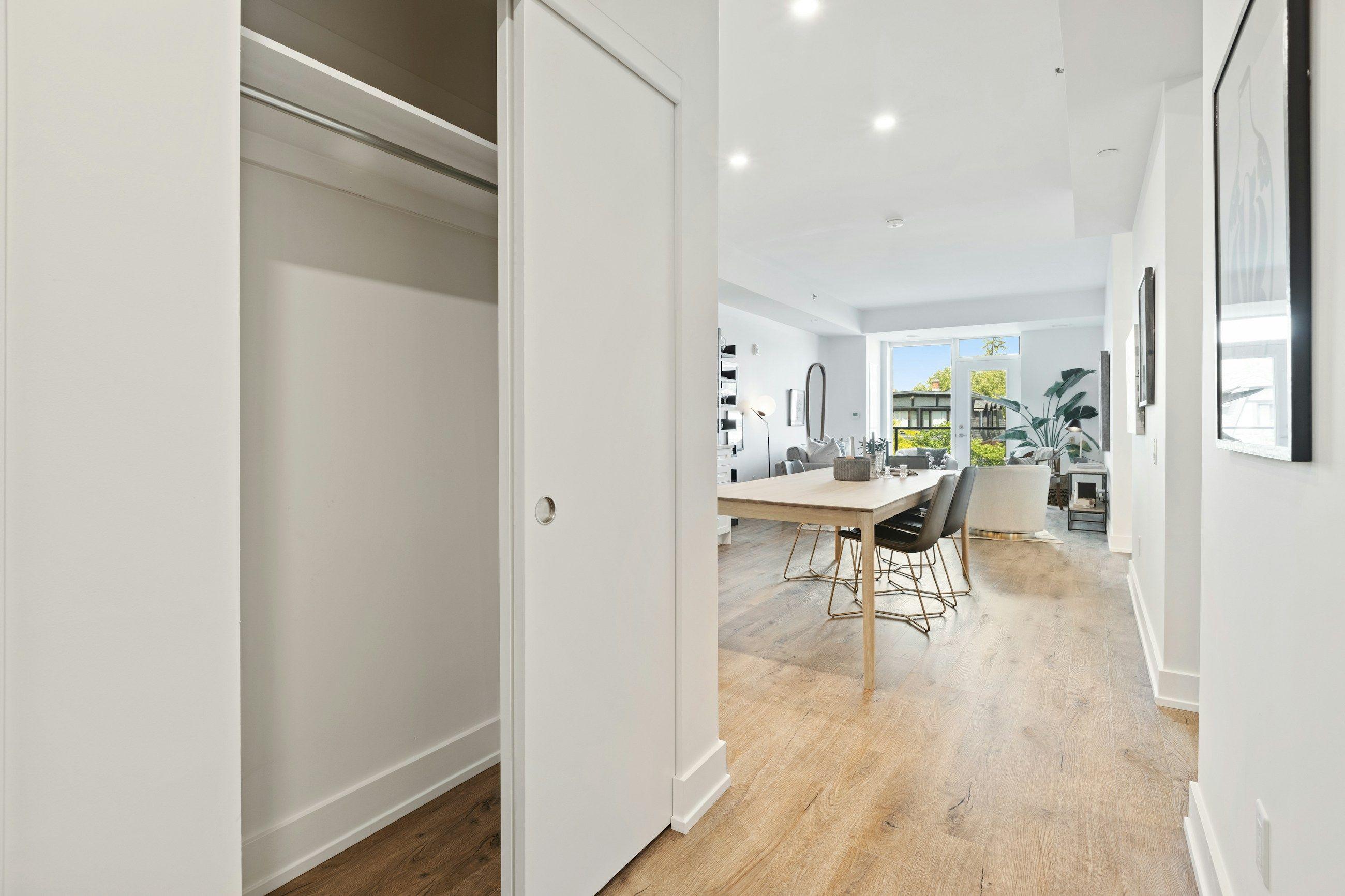
How room shares work
The short answer
In a room share you rent a private bedroom and share the rest of the home: kitchen, living room and often the bathroom. Rent is split between the people living there. What matters most is who holds the lease, because that decides who you pay, who can make you leave and who is on the hook if someone stops paying.
- Private bedroom
- Shared space
What is a room share?
A room share is housing where unrelated adults each rent a private bedroom in the same apartment or house and share the common space. It costs less than renting a whole place alone because the kitchen, living room, bathroom and bills are divided. In exchange you share space, rules and, often, legal responsibility for the rent.
People call it many things: a room share, a shared apartment, renting a room, a house share or flatshare in British English. The words differ; the shape is the same. One person or company controls the home, and each bedroom is let to a different person.
It is different from renting a whole apartment and choosing who to live with. If that is what you are after, our sister guide apartment-for-rent.com covers renting a whole place, and roommate.org covers finding and living with a roommate.
What are the main types of room share?
There are three common set-ups. Everyone signs one lease with the landlord (a joint lease). The landlord leases each bedroom separately (an individual or by-the-room lease). Or you rent from someone who lives there: a tenant who holds the lease, or an owner who lets a spare room. Each one gives you different rights and obligations.
| Set-up | You sign with | You owe | If a housemate leaves |
|---|---|---|---|
| Joint lease | The landlord, with everyone | Usually the whole rent, jointly | Everyone still owes the full rent |
| By-the-room lease | The landlord, for your room | Your room's rent | Your rent is unchanged |
| Rent from a tenant | The tenant who holds the lease | What you agree with them | Depends on your agreement |
| Rent from a live-in owner | The owner | What you agree with them | Usually nothing changes for you |
The joint and by-the-room leases are explained in depth in joint vs individual leases. Renting from a tenant is common and perfectly legal where the lease allows it, but you have fewer rights against the landlord, because your agreement is with the tenant. In New York, for example, a tenant on a single-tenant lease may share with one additional occupant, and that occupant gains no right to stay if the tenant moves out without the landlord’s written consentNY AG. Rules like this vary by state and city.
A fourth, smaller group is homesharing: a homeowner, often older, offers a room in exchange for rent, help around the house, or both, frequently matched by a nonprofit program listed by the National Shared Housing Resource CenterNSHRC.
What is yours and what is shared in a room share?
Your bedroom is yours: you can usually lock it, furnish it and decide who comes in. Everything else is shared: the kitchen, living room, hallways and laundry, and often a bathroom. Shared space needs agreed rules, which is why most working room shares write down a short house agreement alongside the lease.
- Private: your bedroom, its closet, and a private bathroom if the room has one (often priced higher; see the rent split calculator).
- Shared: kitchen, fridge and cupboard space, living room, bathroom, laundry, entry, outdoor space.
- Agreed: quiet hours, guests and overnight stays, cleaning, heating, food, packages. See shared house rules.
Can two people share one bedroom in a room share?
Yes, if the lease and local occupancy rules allow it. A shared bedroom, with two beds or one for a couple, costs less per person than a private room, but it adds a person to the kitchen, bathroom and bills. Most households price that room higher than a single, then split it between its two occupants.
HUD’s 1998 statement of policy treats two persons per bedroom as generally reasonable, subject to room size and other factorsHUD 1998, and local codes can set their own limits. For the money side, see what a couple sharing a bedroom should pay.
How do rent and bills work in a shared apartment?
Rent is split by a method everyone agrees: equally, by bedroom size, or by size plus features like a private bathroom. Bills such as electricity, gas, water and internet are usually split equally. Someone has to hold each account, so write down who pays what, when, and how others pay them back.
The City of Boulder’s guidance on preventing roommate disputes suggests putting each person’s share of rent and utilities, the deposit and who paid it, damages, and what happens if someone moves out early into a signed roommate agreementBoulder. Our house share agreement template covers each of those, and what a room share costs walks through the full monthly sheet. Setting up utilities and internet is covered by apartmentconnection.com.
What should you check before moving into a room share?
See the room in person or on a live video call, meet the people you will live with, and read whatever you sign. Confirm who holds the lease and whether the landlord knows you will live there. Agree the rent split, deposit and house rules in writing, and never pay by wire, gift card or crypto.
- Who is the landlord, and is your name going on a lease, an addendum, or only a private agreement?
- What exactly do you pay each month, including bills, and to whom?
- How much is the deposit, who holds it, and how is it returned?
- How much notice must you give to leave, and do you have to find a replacement?
- Which rules matter most to the people already living there?
Frequently asked questions
A room share means renting one private bedroom in a home and sharing the kitchen, living room and usually a bathroom with the other people who live there. Each person pays part of the rent, under a joint lease, a lease for their own room, or an arrangement with the tenant or owner they rent from.
They overlap. Room share describes the housing: a private bedroom in a shared home. Roommate describes the person you live with. You can rent a room share from a landlord without having chosen your housemates, or move in with a friend as roommates on one lease.
It depends who you rent from. On a joint lease or a by-the-room lease you pay the landlord or property manager. If you rent from a tenant who holds the lease, you usually pay that tenant, who pays the landlord. With a live-in owner, you pay the owner.
Yes, though it is a different market. Monthly furnished rooms are listed on Furnished Finder and by co-living operators with flexible terms, such as PadSplit and Bungalow. Taking over someone's room for part of their lease is a sublet, which needs the landlord's permission in most leases.
Sources
- 1Preventing roommate disputes (roommate agreements, joint and several liability)City of Boulder, Colorado
- 2Real Property Law § 235-f: Unlawful restrictions on occupancyNew York State Senate
- 3Residential Tenants' Rights Guide (Apartment sharing, Real Property Law § 235-f)New York State Attorney General
- 4National Shared Housing Resource Center: homesharing and program directoryNational Shared Housing Resource Center
- 5Fair Housing Enforcement: Occupancy Standards; Notice of Statement of PolicyHUD, Federal Register Vol. 63, No. 243, December 18, 1998
- 6Furnished Finder: monthly furnished rentalsFurnished Finder
- 7PadSplit: weekly, affordable rooms for rentPadSplit
Checked . General information, not legal advice; we are not a landlord, broker or listing site and are not paid by any company named. Read the disclaimer or how we check facts.
Related guides
- Where to find a roomTwelve real places to look, what each is good for, and how they charge.
- Joint vs individual leaseOne lease for everyone, or one per room. It decides who pays when someone leaves.
- Rent split calculatorRoom sizes and features in, a fair share per room out, drawn as a plan you can read.