Co-living, explained
The short answer
Co-living is a room share run as a service. An operator furnishes the home, rents it room by room, and bundles rent, utilities and Wi-Fi into one payment. You get a private bedroom and shared kitchen and living space, sign with the operator rather than a housemate, and usually owe only your own room’s rent.
Room 3
Flexible term
- Furnished room
- Utilities
- Wi-Fi
- Common-area cleaning
What is co-living?
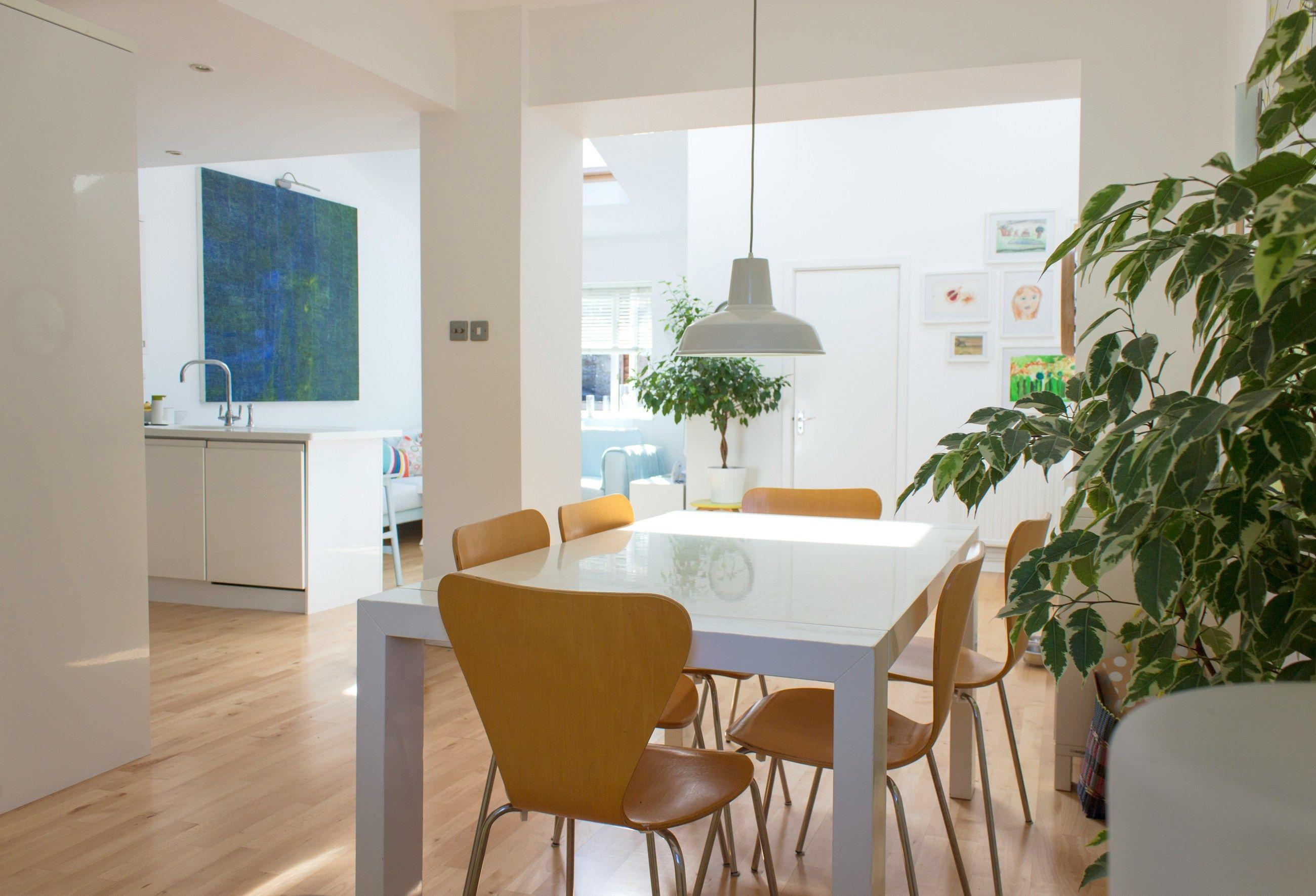
Co-living is shared housing managed by a company. Each resident rents a private bedroom, usually furnished, and shares the kitchen, living areas and sometimes bathrooms. The operator handles the lease, maintenance, bills and often cleaning of common areas, and charges one recurring price, weekly or monthly, that covers most of it.
The word covers a wide range: a house in a residential street split into rooms, a floor of apartments in a city building, or purpose-built buildings with small private rooms and large shared kitchens. What they share is the model: the operator, not a resident, is your landlord.
How is co-living different from a room share?
In a classic room share, residents arrange furniture, bills and rules among themselves, often under a joint lease. In co-living the operator furnishes the home, bundles the bills, sets house rules and leases each room separately, so one housemate leaving does not change your rent. You trade some control and price for convenience.
| Classic room share | Co-living | |
|---|---|---|
| Landlord | A landlord, a tenant or a live-in owner | The operator |
| Lease | Often joint; sometimes by the room | By the room, with the operator |
| Furniture | Bring your own, or inherit some | Furnished |
| Bills | Split and paid by residents | Usually in the price |
| Choosing housemates | Often the residents choose | The operator places residents |
| Term | Often a year | Often flexible, sometimes weekly |
Is co-living the same as cohousing?
No. In co-living, residents rent private bedrooms and share the kitchen and living space, usually from an operator. Cohousing is a planned community of private homes, each with its own kitchen, built around shared facilities such as a common house, where residents usually own or rent their own home and run the community together.
Cities are still writing rules for co-living. Alexandria, Virginia, for example, adopted a co-living policy (Ordinance 5405) on February 12, 2022, describing it as unrelated people with private living space and shared areas such as a kitchen, bathrooms and living space, a category that includes rooming houses and single-room occupancyAlexandria VA. Check local zoning if you plan to run a co-living home.
What are the pros and cons of co-living?
The pros: one predictable payment, furniture and bills set up, flexible terms, liability limited to your own room, and a ready-made household. The cons: less say over who you live with, a smaller private space, house rules set by the operator, often a higher price per square foot than a classic room share, and some risk if the operator fails.
Works well for
- Moving to a new city without furniture
- Stays of a few months to a year
- People who want bills handled for them
Think twice if
- You want to choose your housemates
- You need space for your own furniture
- You plan to stay several years
What does co-living rent usually include?
Most co-living prices include a furnished bedroom, furnished common areas, utilities and Wi-Fi. Many add cleaning of shared spaces and app-based maintenance. PadSplit’s weekly payment, for example, covers rent, furniture, utilities and Wi-Fi, and Bungalow sets up Wi-Fi and utilities before move-in. Check every line, because it varies.
- Private room, furnished (bed, storage, sometimes a desk)
- Furnished kitchen and living room
- Electricity, gas, water and Wi-Fi, often with a fair-use cap
- Cleaning of shared areas, at some operators
- Fees: application, membership or move-in fees at some operators; ask for the all-in first month
Which co-living companies are still operating?
Checked on November 25, 2026 against each company’s own site: PadSplit, Bungalow, Outpost Club and Tripalink are renting rooms, and Nesterly runs intergenerational homesharing. The industry has seen closures, most visibly Common, which went through bankruptcy in 2024 while Outpost took over many of its units.
PadSplit
Furnished rooms, one weekly payment covering rent, furniture, utilities and Wi-Fi; 31 markets.
Visit PadSplitBungalow
Rooms in shared homes with furnished common areas, Wi-Fi and utilities; 20+ markets; 4 to 24 month leases.
Visit BungalowOutpost Club
Furnished co-living rooms and apartments in New York City, Washington, DC and Union City, NJ.
Visit Outpost ClubTripalink
Private bedrooms in furnished shared apartments in cities including Los Angeles, Seattle, Chicago and Pittsburgh.
Visit TripalinkNesterly
Intergenerational homesharing for stays of a month or more, with screening, leases and payments handled.
Visit Nesterly
On Common, see Bisnow’s June 2024 reportBisnow 2024. More places to look for rooms are on where to find a room for rent.
What should you check before signing for co-living?
Read the agreement for the term and notice period, every fee beyond rent, what “utilities included” means, the deposit or deposit alternative, house rules on guests, and what happens if the operator sells or leaves the building. Then tour the actual room, not a model, and meet or ask about the housemates.
Frequently asked questions
Co-living means renting a private, usually furnished bedroom in a home or building run by an operator, with shared kitchens and living spaces. Rent typically bundles utilities, Wi-Fi and furniture into one payment, and terms are often more flexible than a standard lease.
It can cost less than renting a whole apartment alone, because you share the space and the bills are bundled. Per square foot it is often not cheap. Compare the all-in monthly price with a room share plus your own bills, furniture and deposit.
Yes, usually with the operator, and usually for your room only, so you are not liable for housemates' rent. Terms vary: Bungalow leases run from 4 to 24 months, PadSplit is paid weekly with flexible stays. Read the house rules and the move-out terms in the agreement.
Sources
- 1PadSplit: weekly, affordable rooms for rentPadSplit
- 2Bungalow: rooms in shared homesBungalow
- 3Outpost Club: furnished rooms and apartmentsOutpost Club
- 4Tripalink: co-living, apartments and student housingTripalink
- 5Nesterly: intergenerational homesharingNesterly
- 6Thousands of Common's co-living units to be taken over by new operatorBisnow, June 5, 2024
- 7Co-Living Initiative (Ordinance 5405)City of Alexandria, Virginia, adopted February 12, 2022
Checked . General information, not legal advice; we are not a landlord, broker or listing site and are not paid by any company named. Read the disclaimer or how we check facts.
Related guides
- Where to find a roomTwelve real places to look, what each is good for, and how they charge.
- Room share costsRent is only one line. Here is the whole monthly sheet, and four fair ways to divide it.
- Joint vs individual leaseOne lease for everyone, or one per room. It decides who pays when someone leaves.